Content Information
The federal government banned the use of lead-based paint in housing in 1978.
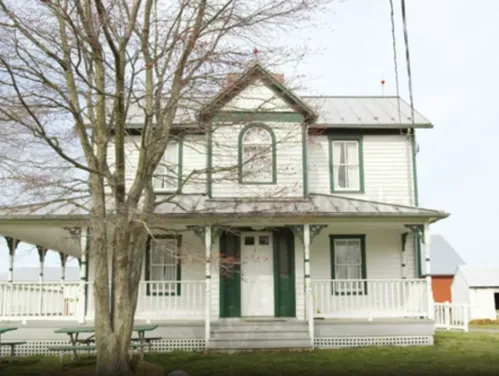
Any home or child-occupied facility built before 1978 can have lead-based paint in it.
This includes homes in the city and the country. It also includes multi-family homes, apartments, private housing and publicly-owned housing.
In Iowa, most children who are lead poisoned have lived in or visited homes built before 1960.
Pre-1960 homes usually have more layers of lead-based paint than newer homes. Also, paint that was used before 1960 usually contained more lead than paint used after 1960.
Homes built before 1960 are more likely to have peeling and chipping lead-based paint.
In Iowa homes, many interior and exterior wood surfaces that were painted before 1960 have lead based paint on them.
This includes windows, baseboards, doors, exterior siding and porches.
Some, although not all, interior walls in pre-1960 homes were painted with lead-based paint.
Kitchen and bathroom walls are the most likely to have lead-based paint on them.
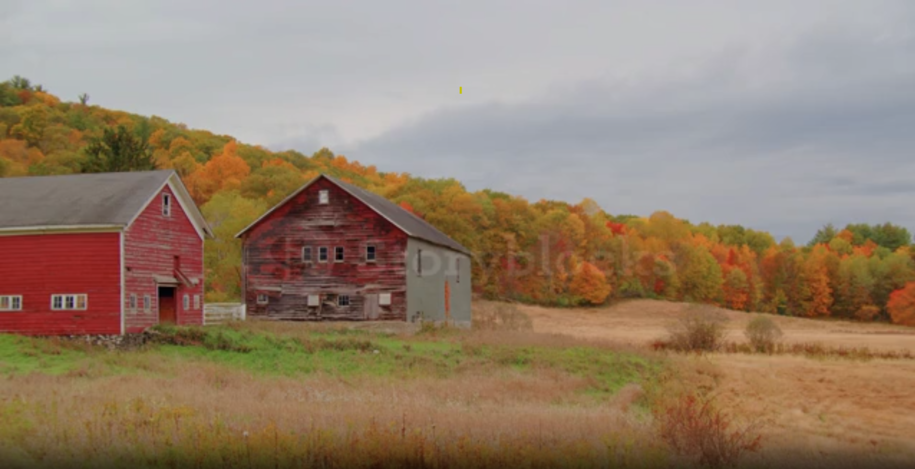
Old garages, farm buildings and fences may also be painted with lead-based paint.
Soil around older homes often has high levels of lead. Avoid vegetable gardens near the drip line of old houses. This is because lead-based paint from the exterior gets in the soil when it peels and chips, or when it is scraped.
In very large urban areas of the United States, soil sometimes contains high levels of lead from past use of leaded gas in cars.
In Iowa, most lead in the soil around older homes comes from lead-based paint.